Getting There Is the Job
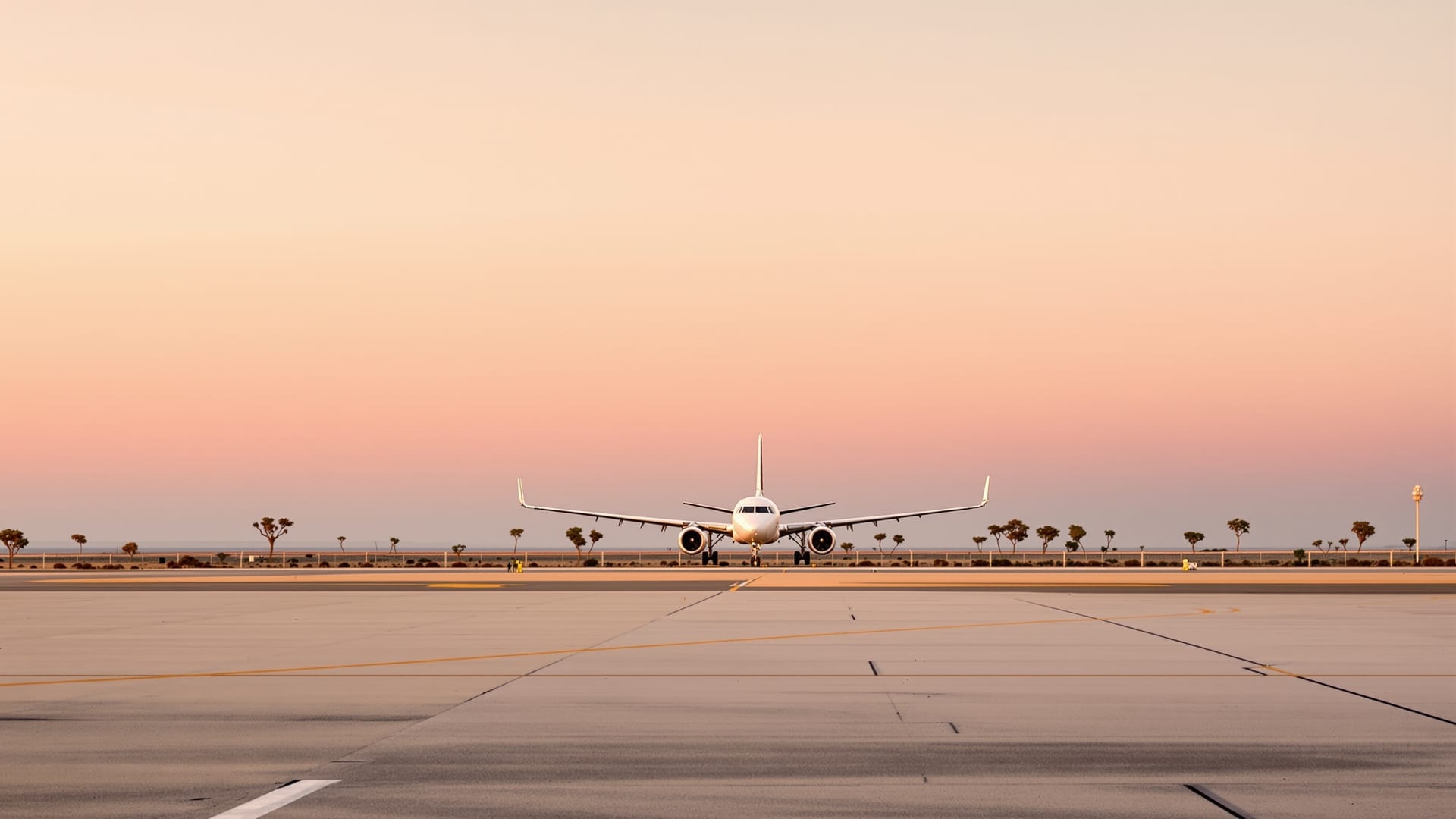
Everything about operating into Australia and New Zealand is shaped by distance. Sectors are long, the alternates are far apart, and the region sits at the end of routings that have already crossed most of the Pacific or most of Asia. That means augmented crews, serious fatigue planning and, usually, generous layovers at the far end — the aircraft is not going anywhere for a while either.
It also means the arrival is often at an awkward local hour after a very long duty, which is the worst combination for the day-sleep problem described on the Hotels page. Get the room dark and get horizontal; the sightseeing is not going anywhere.
Biosecurity Is Not a Formality
Australia and New Zealand run some of the strictest biosecurity regimes in the world, and they apply to crew and crew baggage as much as to the freight. Undeclared food, plant material, wooden items and outdoor equipment carry real penalties, and "it was in my bag from the last port" is not a defence. The official positions are published by the Australian Department of Agriculture, Fisheries and Forestry and New Zealand's Ministry for Primary Industries. Read them once properly rather than guessing every trip. Practical habit: empty your flight bag of food before top of descent, every time.
Wildlife and the Ramp
Bird and animal strike risk is a genuine regional feature, particularly at regional fields and at dawn and dusk. Flying foxes, large raptors and kangaroos at outlying airports are not a joke — wildlife hazard management is a formal part of aerodrome operations here, and the aerodrome will have a programme. The generic hazards are covered on Airport Safety; the region-specific point is simply that the animals are bigger and there are more of them than most crews expect.
Sun
The ultraviolet index in Australia and New Zealand is genuinely extreme by northern-hemisphere standards, and a crew habit of walking the layover in the middle of the day is exactly the wrong instinct. the World Health Organization publishes on ultraviolet radiation for Australian cities. Cover up, and be particularly careful on the ramp during a walkaround at midday.
The Layovers
These are among the best on any freight network, precisely because they are long. Coastal walks, public transport that works, harbour ferries, national parks reachable in an hour, and cities that are easy to be alone in. The Entertainment advice about booking early on a long layover applies double here, because the schedule changes that strand or shorten a Down Under layover come from the other side of the world.
Practical Notes
- Distances are deceptive. Cities that look adjacent on a map are a long-haul sector apart.
- Everything closes earlier than in Asia. Plan food before you sleep, not after.
- Public transport is good in the major cities and thin outside them.
- Crew visa and documentation rules are strict and enforced — confirm current requirements through official channels every time.
- Weather is more variable than the postcards suggest; the southern cities can be genuinely cold and wet.
For the trip up and back, see Asia, which is where most of these rotations connect.