Transhipment Country
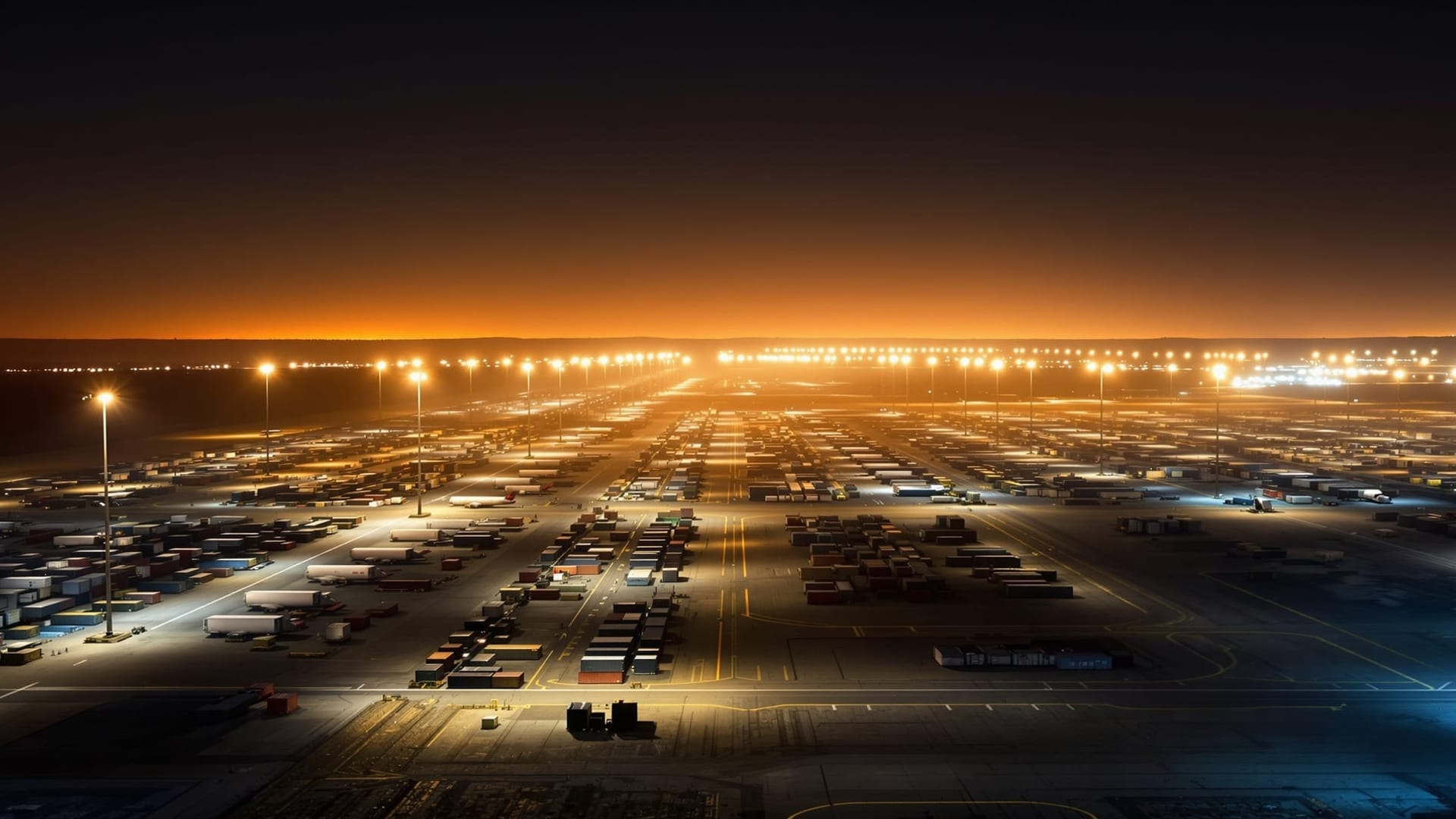
The Gulf's major airports were built to be transfer points, and the cargo terminals are on a scale that surprises crews arriving for the first time. The operational consequence is volume and pace: enormous numbers of aircraft movements concentrated into a few hours, dense ramp traffic, and ground handling that runs continuously. The generic hazards on Airport Safety are the ones to have front of mind here — congestion is the local variable.
Heat, Dust and Performance
Summer temperatures across the region routinely reach levels where performance limits, not payload demand, decide what goes on the aircraft. Dust and sand are the other constant: blowing dust reduces visibility rapidly and unpredictably, and it is hard on engines, filters and eyes. On the ground, the practical points for crew are unglamorous — do the walkaround early or late rather than at the peak, drink far more water than you think you need, and be aware that the transition from a hard-chilled crew bus to a 45-degree ramp is a real physiological event.
Heat stress is an occupational hazard with actual guidance behind it; NIOSH's heat stress material is the clearest short summary of the symptoms worth recognising in yourself and in the person next to you.
Rest
Hotels are generally very good and very used to crews, and the region is one of the easier ones for day sleep — buildings are built for heat exclusion, so blackout and insulation tend to be better than average. The variables that catch people out are the call to prayer if the hotel is close to a mosque, the extremely aggressive air conditioning, and the fact that the local social day runs late into the night, so "quiet residential area" does not mean what it means elsewhere.
Local Law
This matters more here than anywhere else on the network and it is not a cultural aside — it is a legal one. Rules on alcohol, medication, photography, public behaviour and social media differ substantially between countries in the region and are enforced. Several common prescription and over-the-counter medications carried routinely by crews elsewhere are controlled substances here, and the consequences are serious. Check your own foreign ministry's country page — the UK FCDO travel advice and the US State Department advisories both carry the local-law sections — and check the specific medication position with the destination's own health authority before you carry it.
Do not photograph the airfield, ports, government buildings or military installations. This is the single most common way visiting crews get into avoidable trouble.
Ramadan and the Calendar
During Ramadan the working day, the eating day and the traffic pattern all shift. Restaurants may be closed during daylight hours, business hours change, and the roads around iftar are best avoided. Crews who plan around it find the month straightforward; crews who do not, spend it hungry. Public holidays follow the lunar calendar and move each year.
Practical Notes
- Hydration is the whole game in summer. Start before the duty, not during it.
- Malls and indoor space are where the daytime city happens; the outdoor version is a winter activity.
- Taxis and ride-hailing are cheap, metered and reliable in the major hubs.
- Layovers are often short and slot-driven; see Entertainment for the five-hour-stop approach.
- Onward flows mostly connect to Asia and Europe.