What Moves and Why It Matters
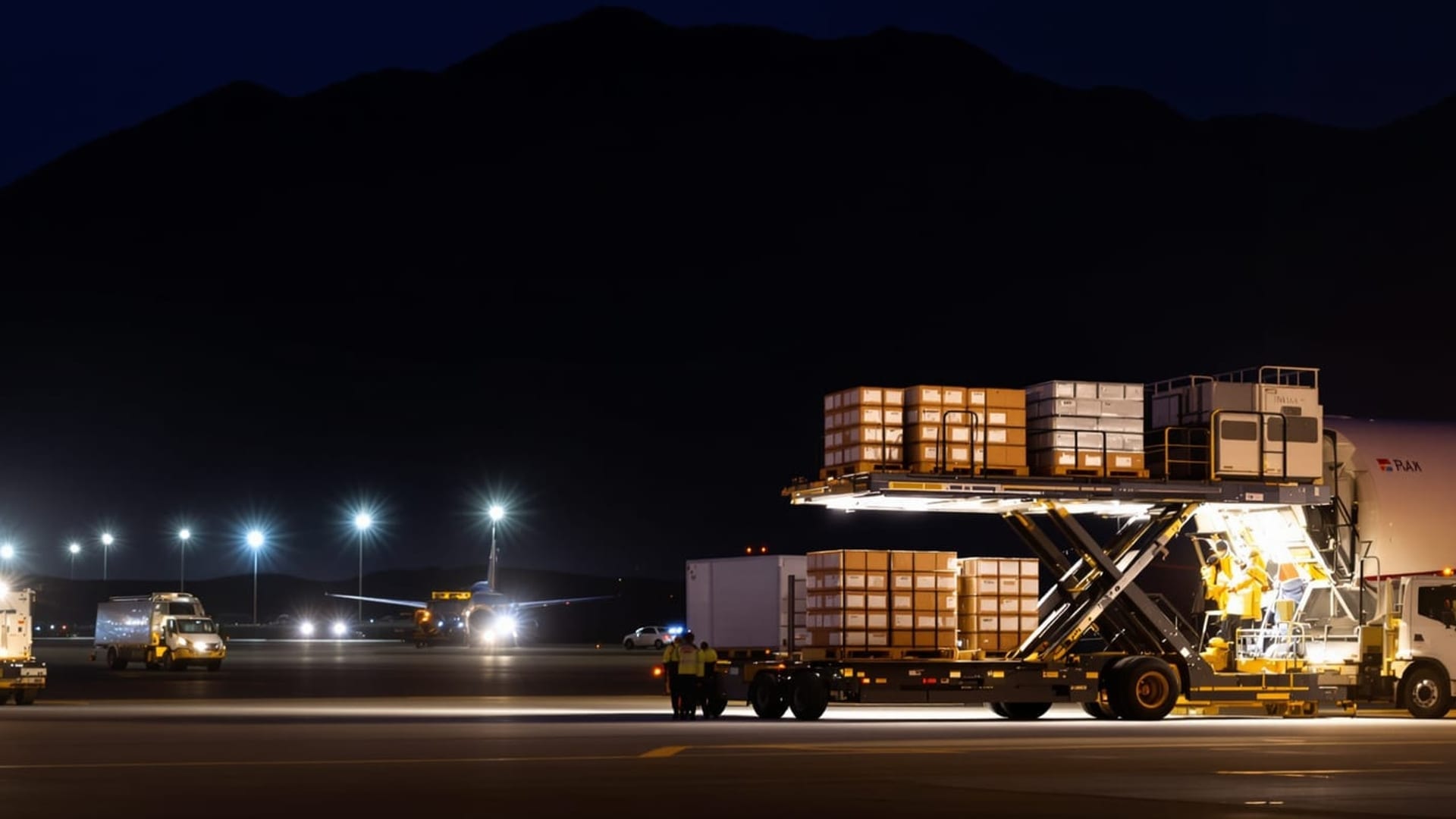
A very large share of the region's air cargo is perishable, and perishable freight sets the schedule rather than the other way round. That produces tight turnarounds, night departures timed to a market opening thousands of miles away, and a cargo type with real temperature and handling constraints. It also produces a specific pressure on crews to make the slot, which is worth naming out loud because it is exactly the environment in which people accept a technical problem they should not.
Hot and High
Several of the region's regular freight destinations sit at altitudes and temperatures that make performance the dominant consideration of the day. Density altitude, reduced climb performance, terrain-constrained departures and non-standard escape procedures are routine rather than exceptional. the FAA's Pilot's Handbook of Aeronautical Knowledge is a good refresher, and the terrain awareness material is worth revisiting before a first trip into the Andean fields specifically.
Weather adds to it: intense convective activity, rapidly forming afternoon storms over the mountains, and airfields where the useful operating window is narrow. None of this is unusual for crews who fly the region regularly; all of it is a step up for crews who do not.
Personal Security
This is the region where the general advice on the off-duty page becomes concrete. The sensible habits, applied consistently and without drama:
- Use hotel-arranged transport rather than hailing on the street, particularly at night and particularly from the airport.
- Do not walk industrial areas around cargo terminals. This is true everywhere and more true here.
- Carry a small amount of cash separately from the rest, and leave the watch in the bag.
- Read your own foreign ministry's current, city-level travel advice before the trip — the US State Department travel advisories and the UK FCDO foreign travel advice are both updated continuously and are city-specific.
- Follow your operator's security instructions for the station. They exist because of something.
The corollary is worth saying too: crews who fly the region routinely will tell you the reputation is broader than the reality, that the major cities are enormous and mostly ordinary, and that the sensible habits above cost nothing and end the conversation.
Layovers
Genuinely good ones, once the security habits are automatic. Excellent food at almost any hour, cities with real character, coast and mountains within reach on a long stop, and a warmth toward visitors that surprises people. Spanish or Portuguese in even a rudimentary form transforms the experience and is worth the effort on a rotation you fly often.
Practical Notes
- Altitude affects you too, not just the aeroplane. Take the first day at a high-altitude station slowly, drink water, and go easy on alcohol.
- Cash is still king in much of the region; card acceptance is patchy outside the capitals.
- Water is generally not for drinking from the tap.
- Vaccination and health requirements vary by country and by region within a country — yellow fever in particular. Check the CDC travellers' health pages well before, not during, the trip.
- Documentation requirements for crew vary widely; verify per country every time.